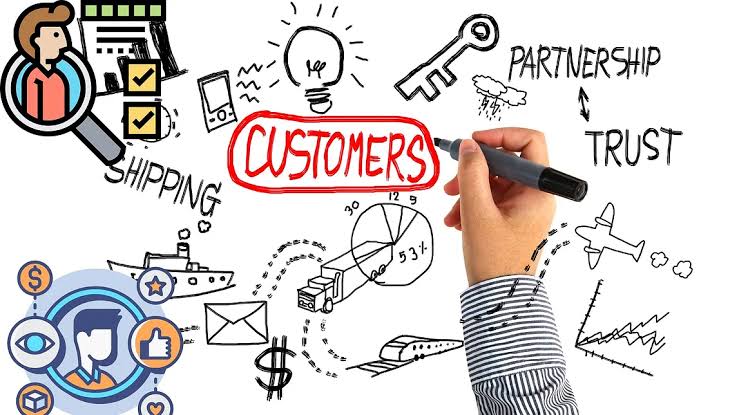
How Business Analytics Helps You to Understand Customer Behavior

Ndu Ekwomadu
Founder & CEO
Introduction
If I asked you these questions about your business, how many could you answer without checking your records?
Which customer spent the most with you last month?
Which customer hasn't bought from you in the last three months?
Which product brings in the most revenue?
Which product sells often but makes the least profit?
Which day of the week do customers spend the most money?
For many small business owners, those answers are usually guesses. And this is not about not paying attention to your customers; some things are just difficult to notice even when you are present every day, no matter how hard you try.
For instance, you might remember the customer who chats with you whenever they visit, or the customer who always negotiates before buying. Still, it's much harder to notice the customer who has stopped patronizing your business over the last six months or the product that has gradually stopped selling as much as it used to.
That's where business analytics becomes useful.
It helps you move beyond what you remember and understand what your business has been telling you all along.
What Business Analytics Actually Shows You
When people hear the word business analytics, the first thing that usually comes to their mind is a screen filled with charts and reports. While that might not be entirely wrong, business analytics helps you answer questions that would otherwise take hours to figure out, if you could answer them at all.
Take your customers, for example.
Most business owners naturally pay more attention to customers they see often. But frequency and value are not always the same thing. Someone who visits twice a month and spends ₦80,000 each time may contribute far more to the business than someone who stops by every week for a small purchase. Analytics helps you separate the two.
The same thing happens with your products.
A product might sell every day, making it seem like one of your best performers. But if the profit margin is low, it may be contributing far less to your business than another product that sells less often but generates more profit each time.
Analytics also helps you spot changes before they become problems.
For example, a regular customer who used to buy every few weeks may quietly disappear without you noticing immediately. Sales on Saturdays might continue to grow while weekdays become slower; two products may consistently be bought together, creating an opportunity to bundle them or recommend one after the other.
These aren't the kind of changes most people notice during a busy workday. They're easier to spot when your sales data is organised and easy to review. Business analytics helps you see what everyday transactions have been trying to tell you all along
What Small Businesses Should Actually Be Tracking
For most small businesses, a handful of metrics can tell you far more about your customers than dozens of reports ever will.
Start with how often customers buy from you - Someone who used to place an order every two weeks but now buys every two months is telling you something, even if they haven't complained or unsubscribed from your emails. A drop in buying frequency is often one of the earliest signs that you're losing a customer.
It also helps to know which customers contribute the most to your revenue. The customer you see every other day may not necessarily be your most valuable customer. Someone who buys less often but places much larger orders could be contributing far more to the business overall.
Your product performance deserves the same attention - Instead of asking which products sold this week, look at how they've performed over the past few months. A product doesn't usually stop selling overnight. More often, sales decline gradually until you suddenly realize it's no longer moving the way it used to.
If customer retention matters to your business, keep an eye on repeat purchases as well. If most customers buy once and never come back, that's worth investigating. It could point to problems with your pricing, product quality, customer service, or simply a lack of follow-up after the first sale.
None of these insights requires complicated reports. They come from recording your sales consistently and keeping everything in one place. Once that foundation exists, understanding customer behavior becomes much easier.
How to Put Customer Analytics Into Practice
Knowing what to look for is only part of the equation. The bigger challenge is collecting that information without creating more work for yourself.
Everything starts with consistent records - If some sales are written in a notebook, others in your bank alerts, and a few only exist in your head, the picture will always be incomplete. Every transaction needs to be recorded in the same place every time. That consistency is what gives your reports any value.
The next step is organization - A list of transactions tells you what happened. When those same records are grouped by customer, product, or time period, they start answering much more useful questions. Which customers are buying less often? Which products are gradually slowing down? Which weeks are consistently your strongest?
Most small businesses struggle at this point because the records are scattered. Sales might be split between a POS machine, spreadsheets, notebooks, WhatsApp conversations, and bank notifications. Even when the information exists, putting it together takes more time than most business owners can spare.
That's why analytics works best when it's built into the way you already run your business instead of becoming another task on your to-do list.
With BrandDrive, every sale you record automatically updates your reports. Customer purchase history, product performance, and revenue figures stay current without any extra work from you.
Instead of spending hours trying to piece together what happened last month, you can quickly see which customers haven't returned recently, which products are gaining momentum, and where your revenue is coming from.
The goal isn't to generate more reports; it's to make better decisions with less effort.
Start Asking Better Questions
Most businesses struggle because the information they need is difficult to find when it's needed.
If someone asked you today which customers haven't bought from you in the last three months or which products generated the most revenue last quarter, would you know the answer?
Those aren't questions reserved for large companies with dedicated analysts. They're the kind of questions every business owner should be able to answer because they influence everyday decisions, from what to restock to which customers deserve a follow-up.
Business analytics makes those answers easier to find.
If you're looking for a simpler way to understand how your business is performing, BrandDrive brings your sales, customers, payments, and analytics together in one place, giving you the information you need to make confident decisions as your business grows.
If you're interested in building stronger customer relationships, our guide on How to Understand and Retain Your Customers as a Small Business explores how these insights fit into a broader customer retention strategy.